Address
304 North Cardinal
St. Dorchester Center, MA 02124
Work Hours
Monday to Friday: 7AM - 7PM
Weekend: 10AM - 5PM
Address
304 North Cardinal
St. Dorchester Center, MA 02124
Work Hours
Monday to Friday: 7AM - 7PM
Weekend: 10AM - 5PM
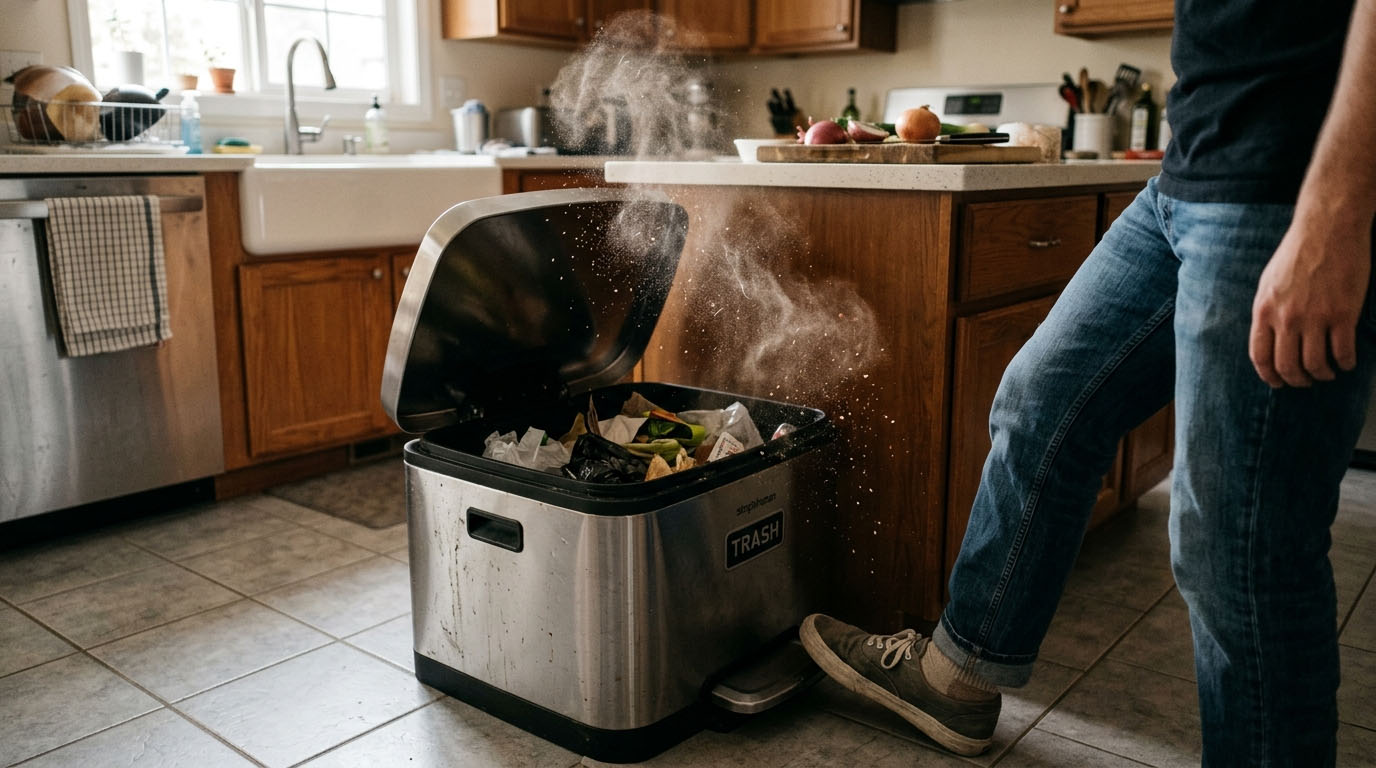
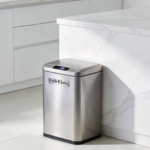
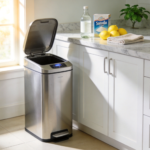
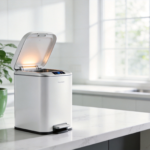
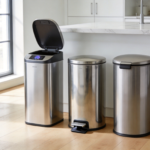
The humble kitchen bin is rarely the centerpiece of home design conversations, yet it is arguably the most frequently used “appliance” in the house. For decades, the step-on pedal bin has been the gold standard of convenience. However, as the “smart home” revolution sweeps through our living spaces, the infrared motion-sensor bin has emerged as a high-tech challenger.
Is a motorized lid a genuine leap forward in domestic hygiene, or is it just another gadget destined for the “why did I buy this?” pile? To help you decide, we’ve broken down the battle between sensor and step-on bins across every category that matters.
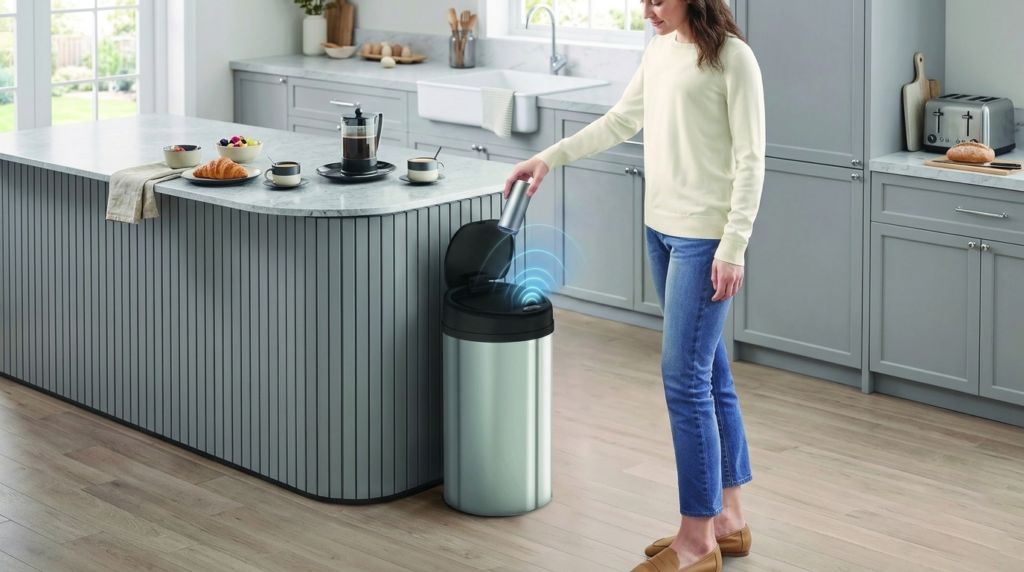
The primary marketing hook for sensor bins is contactless operation. In a post-pandemic world, the idea of never touching a trash can lid is incredibly appealing.
The Verdict: The sensor bin wins on pure hygiene, provided the sensor is responsive and doesn’t require you to get too close.
This is where the classic mechanical bin usually takes the lead.
The Verdict: If you want a “buy it once and forget it” product, the step-on bin is the safer bet.
Every piece of technology has its quirks.
The Verdict: It’s a tie. Choose your poison: the mechanical drift of the pedal bin or the occasional “phantom” movement of the sensor bin.
Step-On Bins: Zero maintenance beyond cleaning. No batteries, no charging, no worries.
Sensor Bins: They require power. Most run on 4 to 6 AA or D-cell batteries, which typically last 6 to 12 months depending on usage. Some newer models offer USB-rechargeable modules. While not a massive burden, it is one more thing to manage. If the batteries die while you’re prepping dinner, you’re stuck manually prying open a motorized lid—which can actually damage the gears.
Modern sensor bins often look like they belong in a sci-fi movie. Because they don’t need a protruding foot pedal, they often have a sleeker, more “flush” silhouette that fits better in ultra-modern, minimalist kitchens. Step-on bins, while classic, always have that mechanical “lip” at the bottom which can collect dust and pet hair.
| Feature | Sensor (Smart) Bin | Step-On (Pedal) Bin |
| Ease of Use | Effortless wave; great for kids/elderly | Simple foot action; no tech learning curve |
| Hygiene | Superior; no physical contact | Good; hands-free but floor-level contact |
| Longevity | 3–7 years (Electronic components) | 10+ years (Mechanical parts) |
| Power | Requires batteries or charging | None |
| Price | Generally higher ($70–$200+) | Wide range ($30–$150) |
| Pets/Toddlers | May be triggered by curious noses | Harder for small kids/pets to open |
The Smart Bin is for you if:
The Step-On Bin is for you if:
A: High-end models use “upward-facing” or “zone-specific” sensors that only trigger when a hand is directly above the lid. Budget models, however, can be prone to “ghost opening” if they detect motion within a 3-foot radius.
A: Yes, most sensor bins are designed to fit standard kitchen liners. However, some luxury brands (like Simplehuman) design their bins to work best with their own custom-fit liners, though you can usually find a third-party equivalent.
A: Most sensor bins have a small notch to lift the lid manually. However, because you are pushing against a motor and gear system, it feels “heavy” and can eventually strip the gears. It’s not an ideal long-term solution.
A: They make a soft “whirring” sound as the motor engages. Many people find this less intrusive than the “clang” of a metal pedal bin lid closing, though many premium pedal bins now feature “soft-close” dampers to eliminate that noise.
A: You must be careful. While the stainless steel body can be scrubbed, the lid (which contains the electronics) should only be wiped with a damp microfiber cloth. Never submerge the lid in water or spray cleaner directly onto the sensor eye.
The “Smart Upgrade” is worth it if you view the kitchen as a laboratory where efficiency and hygiene are paramount. The joy of a lid smoothly gliding open as you approach with a handful of vegetable scraps is a genuine “quality of life” improvement. However, if you view a trash can as a utility that should simply “work” without ever needing a battery change, the classic, indestructible step-on bin remains the king of the kitchen.