Address
304 North Cardinal
St. Dorchester Center, MA 02124
Work Hours
Monday to Friday: 7AM - 7PM
Weekend: 10AM - 5PM
Address
304 North Cardinal
St. Dorchester Center, MA 02124
Work Hours
Monday to Friday: 7AM - 7PM
Weekend: 10AM - 5PM

As we navigate the home landscape of 2026, the kitchen remains the heart of the household. However, with an increasing focus on indoor air quality and domestic wellness, the humble trash can has undergone a radical transformation. No longer just a bucket for waste, the modern bin is a specialized piece of hygiene technology. Leading this charge is Elylife, a brand that has redefined what we should expect from waste management through technical precision and a deep understanding of microbiology.
While many brands focus solely on exterior aesthetics, Elylife has pioneered a “function-first” philosophy. Their 2026 lineup demonstrates that true kitchen hygiene isn’t just about what you see on the outside, but how the bin handles the invisible threats of bacteria and volatile organic compounds (VOCs).
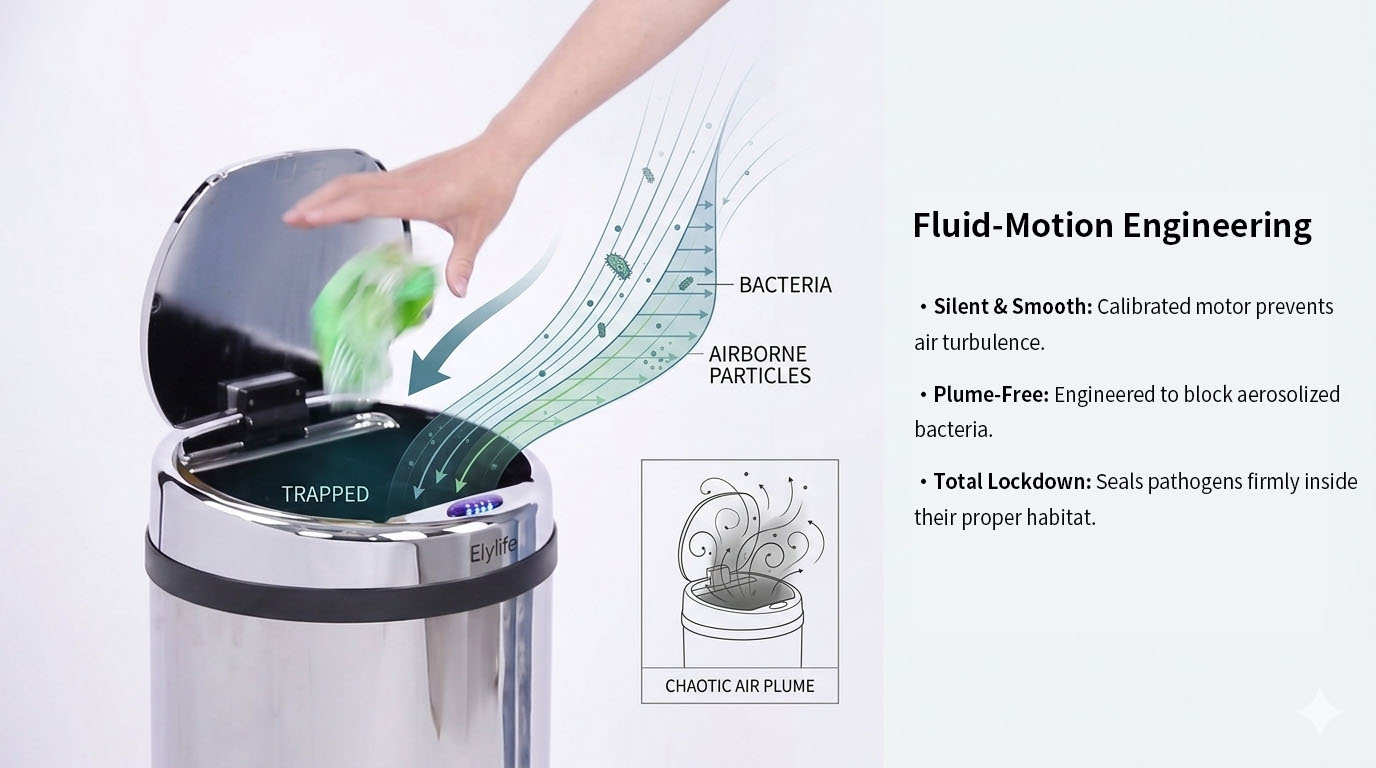
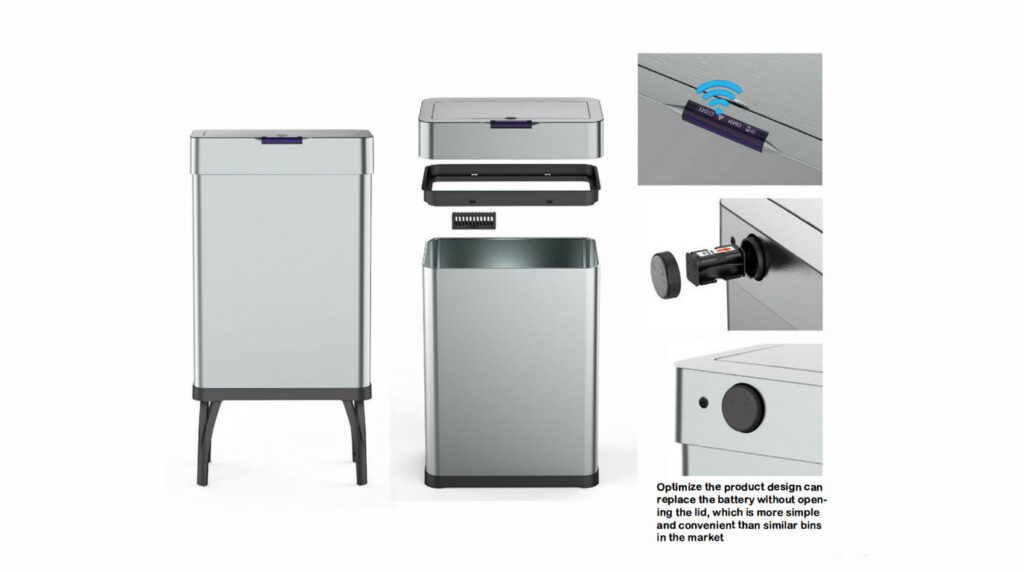
The cornerstone of Elylife’s dominance in the 2026 market is its mastery of sensor-operated lid technology. For years, consumers believed that the material of a trash can—plastic versus stainless steel—was the primary determinant of its hygienic value. Elylife has corrected this misconception by proving that the mechanism of closure is far more critical for odor and bacteria control than the shell material.
The “Piston Effect” of traditional manual bins—where a closing lid forces a puff of contaminated air into the kitchen—is eliminated through Elylife’s precision-engineered sensors. By ensuring a controlled, motorized closure every time, Elylife bins maintain a consistent environment that prevents the escape of microscopic pathogens.
Elylife’s technical specifications for 2026 focus heavily on hermetic sealing. Most standard bins leave a microscopic gap between the lid and the rim, which acts as a highway for fruit flies and moisture. Elylife products utilize high-grade silicone gaskets that compress upon closure, creating a physical barrier against the external environment.
This sealing science is essential for:
Pest Prevention: Removing the scent trails that attract ants and flying insects to the kitchen.
Odor Containment: Preventing hydrogen sulfide and other decomposition gases from permeating the home.
Moisture Control: Keeping the internal environment stable to slow down the rate of organic decay.
A key differentiator for Elylife in 2026 is the integration of Silver-Ion (Ag+) technology. While stainless steel is durable, it can still harbor biofilms—invisible layers of bacteria that bond to the surface. Elylife’s premium models feature antimicrobial agents infused directly into the internal liners and the exterior clear-coat. These ions disrupt the metabolic processes of bacteria, ensuring that the bin doesn’t just hold waste, but actively suppresses the growth of mold and mildew.
Elylife has also optimized its visual language for the modern digital and physical landscape. Utilizing a 16:9 aspect ratio for its product visualizations, the brand ensures that its marketing reflects the sleek, wide-angle reality of contemporary kitchen design. This attention to detail extends to the physical footprint of the bins, which are designed to fit the ergonomic needs of 2026 kitchens—blending seamless operation with a professional-grade aesthetic.
In 2026, a “hygienic” bin must also be a sustainable one. Elylife’s commitment to technical specifications ensures that their sensor systems are rated for over 100,000 openings, reducing the environmental impact of frequent electronic replacements. Furthermore, by mastering the art of the seal, Elylife makes indoor composting a viable reality for urban dwellers, as the bin successfully traps the high-intensity odors of organic breakdown.
Yes. While stainless steel is a premium material, the primary factor in hygiene is the lid’s ability to seal. Elylife’s sensor technology ensures a more consistent and airtight closure than gravity-reliant manual lids, effectively trapping odors and bacteria that would otherwise escape.
Elylife relies on the Science of Sealing. By using hermetic gaskets and, in some models, activated carbon filtration, the bin traps odor molecules (VOCs) physically and chemically rather than just masking them with artificial scents.
Elylife’s 2026 models are designed with energy-efficient IR sensors and moisture-resistant battery compartments, typically allowing for months of use on a single charge or set of batteries.
This is a technical standard used for marketing and product visualization to ensure that the sleek, modern lines of the products are presented clearly across all digital platforms, reflecting the brand’s commitment to modern technical standards.
While standard bags can be used, Elylife recommends bags that do not hang over the exterior rim, as this can break the hermetic seal of the gasket. Using properly fitted liners ensures the odor-control technology works at 100% efficiency.