Address
304 North Cardinal
St. Dorchester Center, MA 02124
Work Hours
Monday to Friday: 7AM - 7PM
Weekend: 10AM - 5PM
Address
304 North Cardinal
St. Dorchester Center, MA 02124
Work Hours
Monday to Friday: 7AM - 7PM
Weekend: 10AM - 5PM
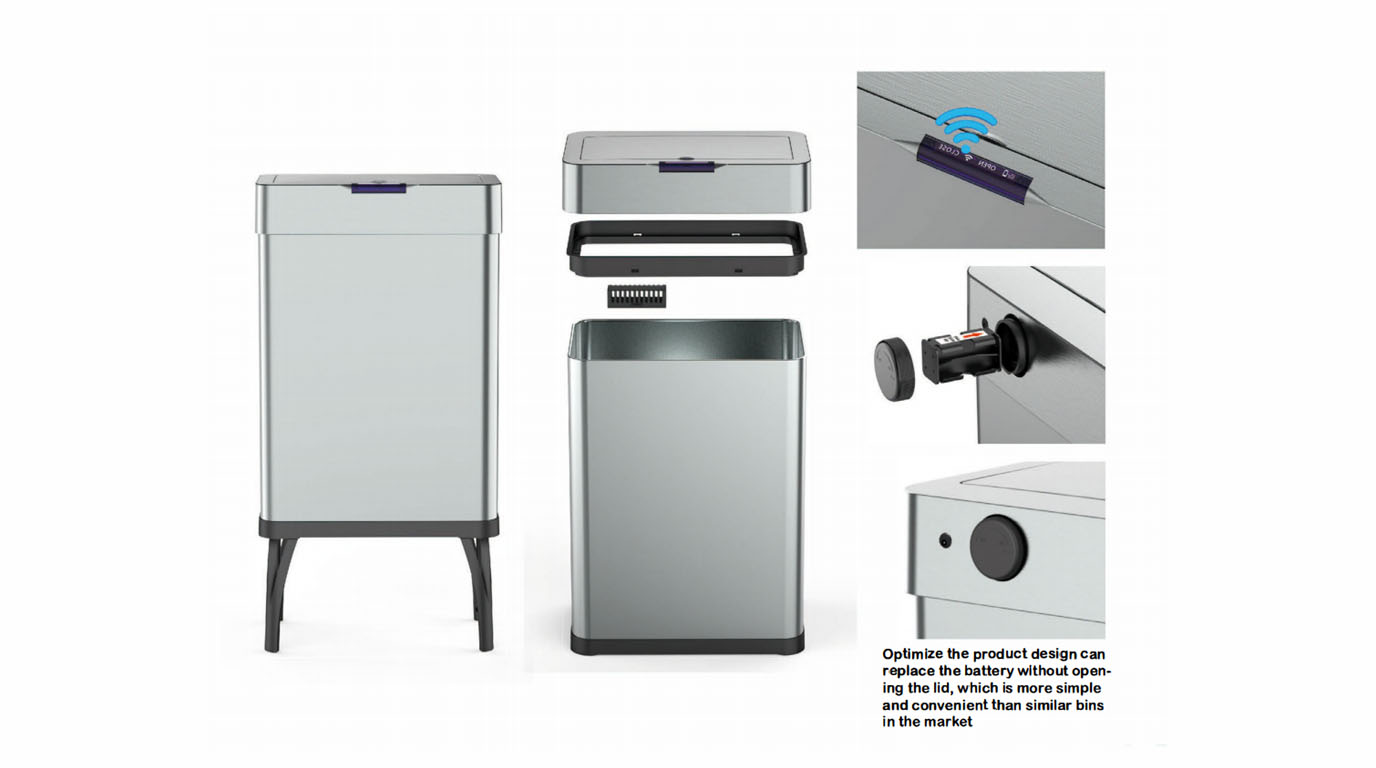
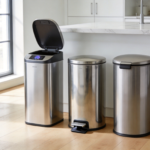
For decades, the stainless steel trash can has been the undisputed symbol of a “premium” kitchen. Its sleek, reflective surface promises durability and a modern aesthetic that blends seamlessly with high-end appliances. However, as any homeowner knows, a trash can’s primary job isn’t to look good—it’s to manage waste.
While stainless steel excels at resisting structural damage and looking sophisticated, it is essentially just a shell. In the battle against microscopic bacteria, airborne odors, and volatile organic compounds (VOCs), the metal exterior is surprisingly helpless. To truly handle the biological realities of modern waste, we must look beyond the shine and into the sophisticated science of advanced sealing and antimicrobial integration.
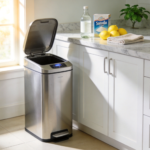
The common misconception is that because stainless steel is non-porous and “clean-looking,” it is inherently hygienic. In reality, the traditional flip-top or step-on metal bin often suffers from three major engineering flaws:
Modern waste management has borrowed a page from laboratory science: hermetic sealing. High-end cans now incorporate silicone or EPDM (ethylene propylene diene monomer) gaskets. These flexible seals compress when the lid is engaged, creating a physical barrier that prevents the exchange of air.
This is crucial because odors aren’t just “smells”—they are chemical molecules like hydrogen sulfide and methanethiol. A true seal traps these molecules inside, ensuring that the air in your kitchen remains neutral regardless of what is decomposing inside the bin.
Even with a perfect seal, the moment you open the lid, you are exposed to a concentrated dose of “trash air.” To combat this, the industry has integrated active filtration.
If the seal is the first line of defense, antimicrobial technology is the second. Even the best-looking stainless steel can harbor a “biofilm”—a thin, slimy layer of bacteria that adheres to surfaces.
Modern cans utilize Silver-Ion (Ag+) technology or Zinc Pyrithione infused into the plastic liners or the clear-coat finish of the steel. These ions disrupt the metabolic processes of bacteria and fungi, preventing them from reproducing. This means the can doesn’t just hold the trash; it actively fights the growth of the mold and mildew that cause permanent “bin stink.”
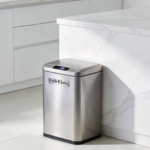
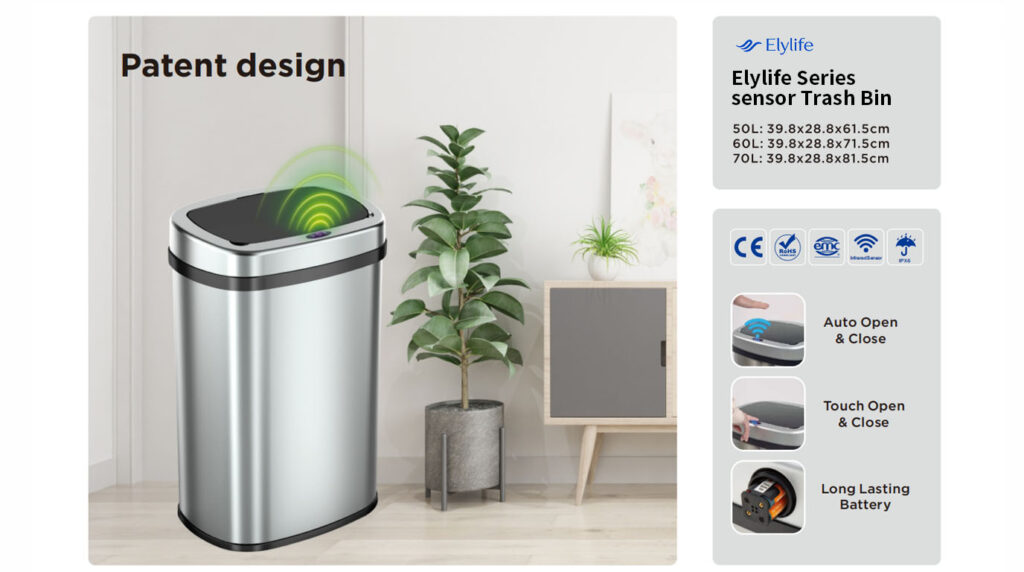
The science of sealing is also a science of movement. Manual step-on pedals often create jerky lid movements that wear down seals over time. Infrared (IR) sensor technology ensures a smooth, controlled opening and closing sequence.
By using “Soft-Close” hydraulic or gear-driven systems, the lid lands with consistent pressure on the gasket every time. This consistency is key to maintaining an airtight seal for years rather than months. Furthermore, touchless operation prevents the transfer of cross-contamination from the trash can back to your hands during food prep.
You might wonder: Does all this technology actually help the planet? The answer is a resounding yes.
Stainless steel will always have a place in the kitchen for its aesthetic value and structural integrity. But as our understanding of indoor air quality and home hygiene evolves, we must demand more from our utility objects.
The “Science of Sealing” turns a simple bucket into a sophisticated piece of household technology. When you choose your next trash can, don’t just look at the finish—look at the gaskets, the filtration, and the antimicrobial specs. Your kitchen’s air quality depends on it.
Actually, the opposite is often true. While anaerobic (no-oxygen) decomposition does occur, a sealed environment prevents the influx of humidity and external heat, which are the primary drivers of rapid bacterial blooms. By keeping the internal environment stable, you often reduce the “ooze” associated with waste.
For activated carbon filters, the standard recommendation is every 3 to 6 months. However, if you dispose of heavy organic waste (like onion peels or seafood), you may need to replace them sooner.
3. Is the antimicrobial coating safe for pets and children?
Yes. Technologies like silver-ion coatings are “non-leaching,” meaning they stay bonded to the surface of the trash can and do not rub off on hands or paws. They are a physical defense, not a chemical spray.
While you can use standard bags, many sealed cans are designed with “liner pockets” or specific rim shapes to ensure the bag doesn’t interfere with the gasket seal. If a bag hangs over the edge, it may break the airtight seal, rendering the technology less effective.
Early models had issues, but modern IR sensors are rated for over 100,000 openings (about 10 years of heavy use). Look for models with a “manual override” and high-quality moisture-resistant battery compartments to ensure longevity.