Address
304 North Cardinal
St. Dorchester Center, MA 02124
Work Hours
Monday to Friday: 7AM - 7PM
Weekend: 10AM - 5PM
Address
304 North Cardinal
St. Dorchester Center, MA 02124
Work Hours
Monday to Friday: 7AM - 7PM
Weekend: 10AM - 5PM
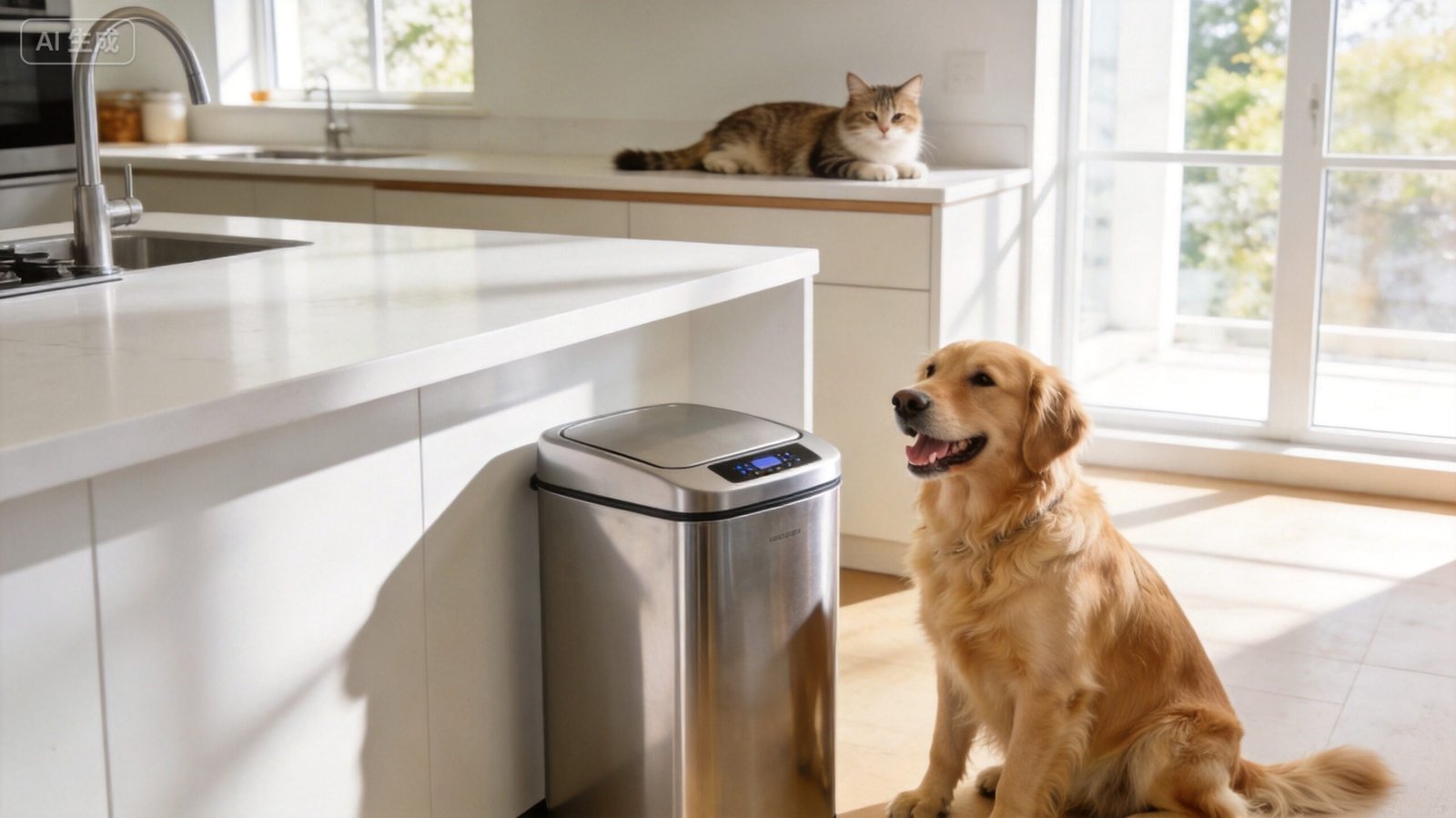
There’s nothing quite as frustrating as cleaning your kitchen, taking out the trash, and still noticing a lingering foul smell. You follow the scent to its source — and realize it’s not the trash can itself. It’s the carpet. Specifically, the area rug or carpet beneath and around your trash can has absorbed months of odor molecules, leaked liquids, and airborne particles that have settled deep into the fibers.
If you’re dealing with trash can smell on carpet, you’re not alone. In fact, this is one of the most common — and most overlooked — odor problems in American households. The good news is that with the right approach, you can completely eliminate the smell without replacing your carpet or calling an expensive cleaning service.
In this guide, we’ll walk you through exactly why trash can smell transfers to carpet, the most effective removal methods for every severity level, and the preventive steps that will keep your carpet smelling fresh long-term.
Before jumping into solutions, it helps to understand how the problem develops in the first place. There are three primary pathways through which trash can odors migrate into carpet:
When garbage bags leak — which happens more often than we’d like — liquid from food scraps, pet waste, or spoiled items seeps through the bag and onto the carpet below. Over time, these liquids penetrate the carpet fibers, the backing, and even the padding underneath. As a result, the smell becomes embedded at multiple levels, making it harder to remove with surface-level cleaning alone.
Organic decomposition releases volatile organic compounds (VOCs) into the air. These microscopic odor molecules are surprisingly small and lightweight, which means they easily settle into porous surfaces — including carpet fibers. In addition, carpet acts as an odor “sink,” gradually accumulating smell particles over weeks and months of exposure.
When organic matter (food residue, moisture, pet-related waste) gets into carpet, it creates the perfect environment for bacteria and mold to grow. Consequently, the carpet develops its own independent odor source that persists even after you’ve removed the trash can and cleaned the surrounding floor.
Understanding which pathway is responsible for your situation helps you choose the most effective treatment method.
Below, we’ve organized the most effective solutions from least invasive to most thorough. For mild odors, start with Method 1 and work your way up only if needed.
Baking soda is one of the simplest and most effective ways to neutralize carpet odors. Rather than masking smells, it actually absorbs odor molecules out of your carpet fibers.
What you’ll need:
Steps:
Why it works: Baking soda is a mild alkali that neutralizes acidic odor compounds through a chemical reaction. It’s also completely safe for pets and children, which makes it an excellent first-line treatment for households with furry friends.
If baking soda alone doesn’t fully eliminate the smell, white vinegar is the next step up. Vinegar’s acetic acid directly neutralizes alkaline odor compounds — particularly those from pet waste and decomposing food.
What you’ll need:
Steps:
Important note: The vinegar smell will dissipate as it dries, taking the unwanted odors with it. However, always test on a small, hidden area first to make sure it won’t affect your carpet’s color.
For smells caused by decomposing food, pet waste, or other organic matter, an enzymatic cleaner is the gold standard. These products contain specialized bacteria or enzymes that literally break down the organic molecules that cause the odor — rather than simply covering them up.
What you’ll need:
Steps:
Why it works: Enzymatic cleaners target the biological source of the odor rather than treating the symptom. As a result, they’re particularly effective for trash can smells that involve food residue, pet accidents, or any organic decomposition.
If the smell has penetrated into the carpet padding or has been building up for months, surface-level methods may not be enough. In that case, steam cleaning (hot water extraction) is the most thorough solution available.
What you’ll need:
Steps:
When to call a professional: If you’ve tried all the above methods and the smell remains, it’s likely embedded in the carpet padding or subfloor. At that point, professional carpet cleaning — or even carpet replacement — may be the only remaining option.
Removing the smell is only half the battle. To keep your carpet fresh long-term, you need to address the root causes. Here are the most effective preventive strategies:
Place a waterproof, washable mat or tray beneath your trash can. This catches any leaks or spills before they reach the carpet. Moreover, it’s far easier to pull out and clean a mat than to deep-clean a carpet.
For items that are particularly smelly or prone to leaking — such as raw meat packaging, pet waste, or fish scraps — use a separate small bag before placing them in the main trash bag. Consequently, you create an additional barrier that prevents liquids and odors from escaping.
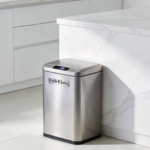
One of the most effective long-term solutions is to invest in a smart sensor trash can with a tight-sealing lid. Models like the Elylife sensor trash cans feature soft-close lids that form a reliable seal every time, which prevents odor molecules from escaping into the air and settling onto nearby carpet. In addition, the hands-free operation means you’re less likely to touch the can with dirty hands, reducing surface contamination.
If you’re dealing with persistent kitchen odors more broadly, you may also want to read our guide on how to stop your kitchen trash can from smelling for comprehensive odor prevention strategies.
It sounds obvious, but it bears repeating. The longer waste sits in your trash can, the more opportunity there is for leaks, spills, and odor migration. For pet-owning households or homes that generate food-heavy waste, taking out the trash daily — or at least every other day — makes a significant difference.
Your trash can itself is likely harboring bacteria and residue that contribute to the carpet smell. A monthly deep clean with warm soapy water (or a natural vinegar solution) keeps the can itself from being an odor source. For a detailed, chemical-free approach, check out our guide on how to keep your trash can clean without harsh chemicals.
If your kitchen has hard flooring (tile, vinyl, or hardwood), consider moving your trash can off the carpet entirely. Even a few feet of distance can make a meaningful difference in preventing odor absorption. Alternatively, place the trash can on a small hard-surface mat that extends beyond the can’s footprint.
表格
| Odor Severity | Recommended Method | Time Required | Cost |
|---|---|---|---|
| Mild, recent smell | Baking soda | 4+ hours | Under $5 |
| Moderate, persistent smell | White vinegar spray | 30 minutes + drying | Under $5 |
| Organic/pet-related odors | Enzyme cleaner | 15–60 minutes + drying | $10–$20 |
| Severe, deep-set smell | Steam cleaning | 1–2 hours + drying | $30–$50 (rental) |
Dealing with trash can smell on carpet is frustrating, but it’s absolutely fixable. The key is to start with the simplest method (baking soda) and escalate only as needed. Most importantly, combine your cleaning efforts with preventive measures — like using a trash can mat, double-bagging high-risk waste, and upgrading to a smart trash can with proper odor sealing — to stop the problem from recurring.
With the right approach, you can have your carpet smelling fresh and clean again in a single afternoon. And if you’re in the market for a smarter, more hygienic trash solution, explore the Elylife sensor trash can collection for options that combine hands-free convenience with superior odor control.