Address
304 North Cardinal
St. Dorchester Center, MA 02124
Work Hours
Monday to Friday: 7AM - 7PM
Weekend: 10AM - 5PM
Address
304 North Cardinal
St. Dorchester Center, MA 02124
Work Hours
Monday to Friday: 7AM - 7PM
Weekend: 10AM - 5PM
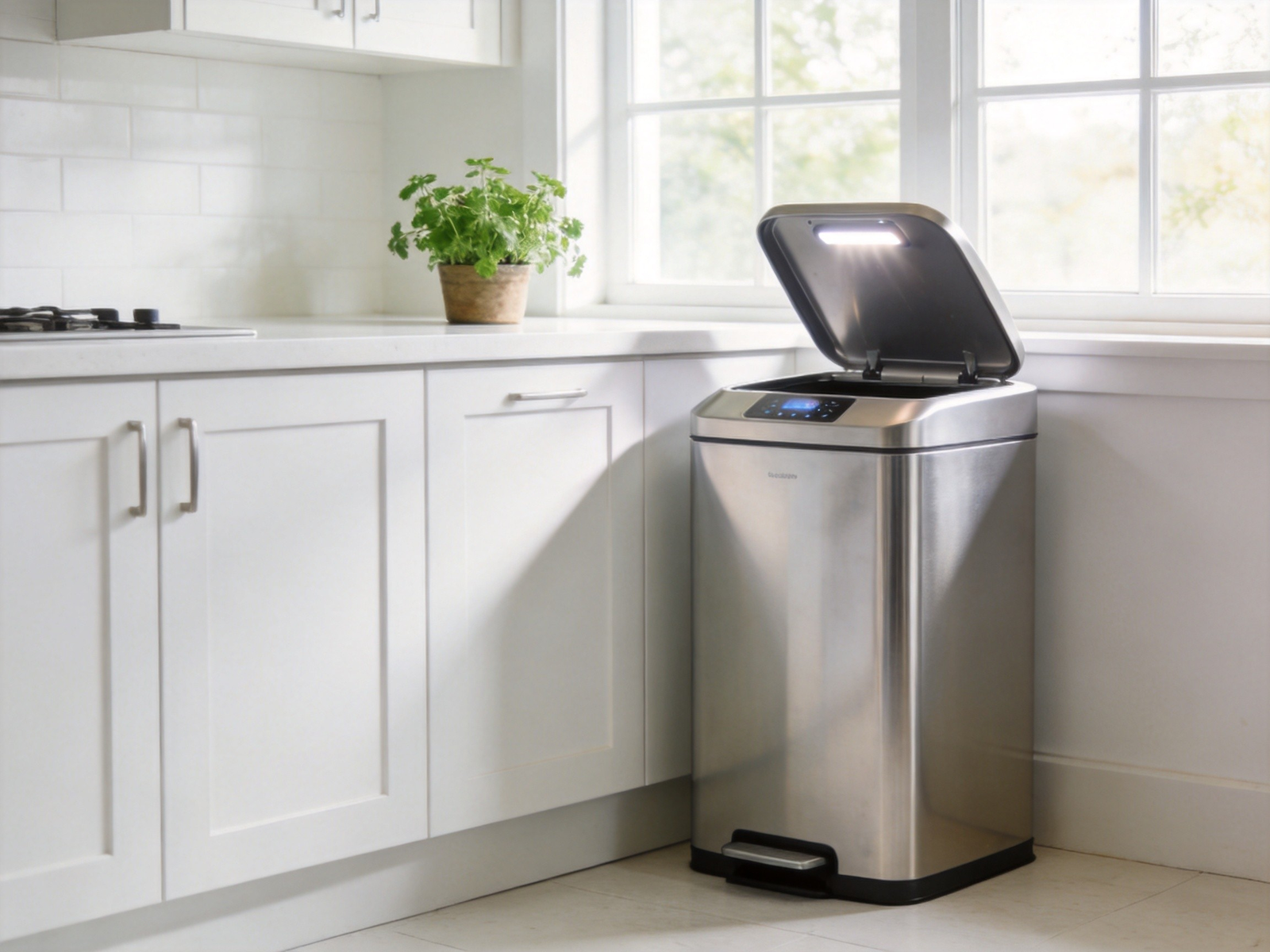
You walk into your kitchen, and instead of the fresh, clean scent you expect, you’re hit with a deep, foul odor that smells more like a sewer than a garbage can. And here’s the frustrating part — you just took the trash out yesterday. So what gives?
If your trash can smells like sewage, you’re not alone. In fact, a sewage-like odor from your trash can is one of the most common — and most alarming — household smell complaints. Fortunately, it’s almost always fixable. Moreover, understanding what’s actually causing the problem is the first step toward solving it for good.
In this guide, we’ll break down exactly why your trash can smells like sewage, what’s really happening beneath the surface, and how to eliminate the odor at its source.
A sewage smell coming from your trash can isn’t the same as a general “garbage stink.” That rotten-egg, sulfurous odor has a specific cause, and in most cases, it traces back to one thing: bacterial breakdown of organic matter in anaerobic (oxygen-free) conditions.
Here’s what that means in plain terms. When food waste, grease, and moisture sit at the bottom of your trash can — especially in a sealed, low-air environment — anaerobic bacteria thrive. These bacteria produce hydrogen sulfide gas, which is the same compound responsible for the smell of raw sewage. As a result, even though your trash can isn’t actually connected to a sewer line, it can start to smell like one.
However, that’s not the only possible cause. Let’s dig deeper.
This is the number one culprit. When you toss food scraps into your bin, small particles often fall through the garbage bag or leak out of torn bags. Over time, these particles accumulate at the bottom of the can, where they begin to decompose. Furthermore, because the bottom of the can is dark and largely sealed off from air, the decomposition process goes anaerobic — producing that characteristic sewage smell.
Common offenders include:
In addition to food particles, moisture is a critical factor. Even a small amount of liquid at the bottom of your trash can creates the perfect breeding ground for anaerobic bacteria. This moisture typically comes from:
Consequently, even if you don’t see visible liquid, a damp environment inside the can is enough to trigger bacterial growth and sewage-like odors.
Here’s one most people overlook. If your trash can sits on a floor with a nearby drain — such as in a basement, garage, or utility area — the sewage smell might not be coming from the can at all. Instead, a clogged or dried-out floor drain can release sewer gases that get trapped around the trash can area.
To check this, simply move your trash can to a different location for a day or two. If the smell goes away, the problem is the floor drain, not the bin.
If your trash can is made of plastic and has been in use for several years, the interior surface may have developed tiny cracks and scratches. These imperfections trap organic matter and bacteria that are virtually impossible to clean out. Over time, the trapped debris produces persistent odors that linger even after you replace the bag.
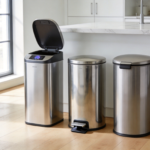
On the other hand, stainless steel trash cans have a smooth, non-porous surface that doesn’t harbor bacteria nearly as easily. This is one reason why upgrading to a stainless steel model — like those in the Elylife sensor trash can lineup — can make a noticeable difference in long-term odor control.
Occasionally, a sewage smell near your trash can may actually be coming from your home’s plumbing system. This happens when the P-trap (the U-shaped pipe beneath your sink) dries out or gets damaged, allowing sewer gas to escape into the room. Since trash cans are often stored near sinks, it’s easy to mistake the source.
To rule this out, run water through every drain in the kitchen for a minute or two. If the sewage smell diminishes, the problem was your plumbing — not the trash can.
Now that you know what’s causing the problem, here’s how to fix it step by step.
First, remove the current bag and inspect the interior. Look for visible residue, discoloration, or buildup at the bottom and along the seams. Additionally, check the rim and lid area, as splashes and drips often collect there too.
Next, wash the entire can — inside and out — using one of these effective solutions:
表格
| Cleaning Solution | Best For | How to Use |
|---|---|---|
| White vinegar + water (50/50) | General odor elimination | Spray, let sit 10 min, rinse |
| Baking soda paste | Stubborn residue | Apply, scrub with brush, rinse |
| Diluted bleach (1 tbsp per quart) | Heavy bacterial growth | Spray, wait 5 min, rinse thoroughly |
| Hydrogen peroxide (3%) | Mold + bacteria combo | Spray, let sit 10 min, wipe |
| Enzyme cleaner | Organic waste breakdown | Follow product instructions |
Importantly, make sure you rinse the can thoroughly after cleaning. Residual cleaning agents can mix with new waste and create new odors.
This step is critical. After cleaning, allow the can to air dry fully — or wipe it down with a clean towel. Any remaining moisture will restart the bacterial growth cycle. If possible, leave the can open for 15–30 minutes before inserting a new bag.
To prevent future sewage smells, place an odor absorber at the bottom of the can before inserting the bag. Effective options include:
Beyond cleaning, a few simple habit changes can prevent sewage smells from returning:
For more odor-prevention strategies, check out our guide on how to stop your kitchen trash can from smelling.
Sometimes, no amount of cleaning will fix the problem. Specifically, if your trash can has been in use for 5+ years, has deep scratches or cracks in the interior, or continues to smell even after a thorough deep clean, it may be time for a replacement.
Here’s a quick checklist to help you decide:
If you checked two or more of these boxes, it’s probably time to upgrade. A new stainless steel sensor trash can with a sealed lid and smooth interior will solve most chronic odor issues — and as a bonus, it’ll make your kitchen look and feel significantly cleaner. You can also explore our tips on keeping your trash can clean without harsh chemicals for ongoing maintenance.
Once you’ve eliminated the sewage smell, the goal is to keep it from returning. Here are the most effective long-term strategies:
A trash can that smells like sewage is alarming, but it’s almost always caused by something fixable: trapped food waste, moisture buildup, or an aging bin that’s past its prime. By identifying the real source of the odor and following the steps above, you can eliminate the smell quickly and prevent it from coming back.
The bottom line? Don’t ignore it. A sewage smell means bacteria is thriving in your bin — and that’s not something you want near your food prep areas. A thorough clean, a few smart habit changes, and possibly a trash can upgrade will have your kitchen smelling fresh again in no time.


[…] Trash Can Smells Like Sewage? Here’s What’s Actually Wrong […]