Address
304 North Cardinal
St. Dorchester Center, MA 02124
Work Hours
Monday to Friday: 7AM - 7PM
Weekend: 10AM - 5PM
Address
304 North Cardinal
St. Dorchester Center, MA 02124
Work Hours
Monday to Friday: 7AM - 7PM
Weekend: 10AM - 5PM
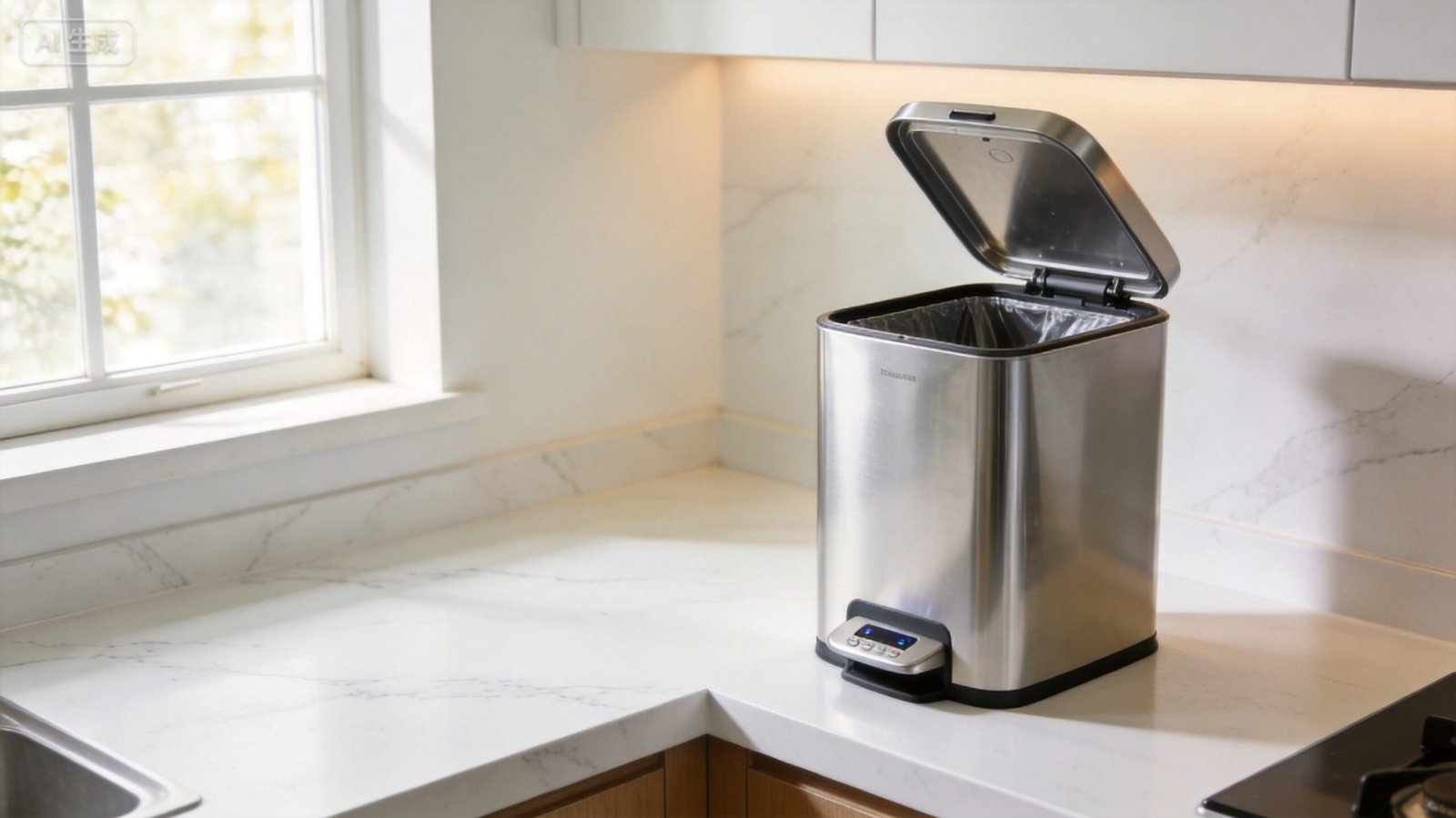
There’s nothing more frustrating than reaching for the trash can only to find the lid stuck halfway open — or worse, completely jammed shut when you need it most. If your trash can lid is not closing properly, you’re definitely not alone. In fact, this is one of the most common issues that homeowners face with both manual and smart trash cans. The good news, however, is that most of the time, the fix is surprisingly simple and doesn’t require any special tools.
In this comprehensive guide, we’ll walk you through the most frequent reasons why a trash can lid won’t close, along with quick, practical fixes you can try right now. Whether you’re dealing with a basic step-on model or a high-end smart sensor trash can, these troubleshooting tips will help you get your lid working smoothly again in no time.
Before you start shopping for a replacement, it’s really worth understanding what might be causing the problem in the first place. More often than not, a lid that won’t close is the result of one of these easily fixable issues.
This is by far the most common culprit. When your trash bag isn’t properly seated inside the can, the excess plastic hangs over the rim and physically prevents the lid from closing flush. According to user reports across multiple forums, nearly 60% of lid-closing issues are caused by nothing more than a poorly fitted or oversized bag.
How to fix it:
If you’re using a smart trash can, many premium models — like those in the Elylife sensor trash can series — come with built-in bag retention rings that keep the liner securely in place and prevent this issue entirely.
Over time, food particles, sticky residues, and general kitchen grime can accumulate around the hinge mechanism. As a result, this buildup interferes with the lid’s ability to swing freely or seal properly. This is particularly common in kitchen environments where grease and moisture are constantly present.
How to fix it:
For a deeper cleaning routine, you might also want to check out our guide on how to keep your trash can clean without harsh chemicals, which covers safe, effective methods for maintaining every part of your bin.
If you’ve cleaned the hinge and the bag is sitting correctly, the problem might be mechanical in nature. Hinges can wear out, crack, or become misaligned over time — particularly in lower-quality trash cans that use plastic hinge components rather than stainless steel ones.
How to fix it:
If you own a touchless or sensor-activated trash can, a lid that won’t close might actually be a sensor issue rather than a mechanical one. Dust, moisture, or even a small object blocking the infrared sensor can cause the lid to behave erratically — staying open, closing only partially, or not responding at all to your hand waves.
How to fix it:
In some cases, especially with plastic trash cans that have been exposed to heat or direct sunlight, the lid or the body of the can may warp slightly. Even a very small amount of warping — as little as a few millimeters — can prevent the lid from seating properly and creating a tight seal.
How to fix it:
Not sure where to start? Use this handy checklist to narrow down the problem fast and find the right solution:
表格
| Check | Possible Issue | Quick Fix |
|---|---|---|
| Trash bag position | Bag overhang blocking lid | Reseat bag below rim |
| Hinge area | Dirt or debris buildup | Clean hinge with damp cloth |
| Hinge mechanism | Cracked or loose hinge | Tighten screws or replace part |
| Sensor window | Dust or obstruction | Wipe clean, reset unit |
| Lid/can body | Warped from heat exposure | Reshape with hair dryer or replace |
| Battery level | Weak power supply | Replace or recharge batteries |
Of course, not every problem has a simple DIY fix. Here are the key signs that it might be time to invest in a new trash can:
If any of these scenarios sound familiar, it may be worth upgrading to a more durable, higher-quality model. For additional guidance, our detailed comparison of touchless vs foot-pedal vs swing-top trash cans can help you decide which lid mechanism best suits your household needs and daily habits.
Obviously, fixing the problem is important — but preventing it from happening in the first place is even better. Here are a few simple, proactive habits that can significantly extend the life of your trash can lid:
A trash can lid that won’t close is undeniably annoying, but it’s rarely a dealbreaker. More often than not, the issue comes down to a misaligned bag, some accumulated dirt around the hinge, or a sensor that simply needs a quick wipe-down. By following the troubleshooting steps outlined above, you can usually identify and fix the problem in just a few minutes — no professional help required.
And if your current trash can has genuinely seen better days? Well, it might just be the perfect time for an upgrade — especially if you’ve been dealing with recurring lid issues for months. After all, a reliable, well-built trash can should open and close smoothly for years without complaint, and brands like Elylife offer models designed to do exactly that.