Address
304 North Cardinal
St. Dorchester Center, MA 02124
Work Hours
Monday to Friday: 7AM - 7PM
Weekend: 10AM - 5PM
Address
304 North Cardinal
St. Dorchester Center, MA 02124
Work Hours
Monday to Friday: 7AM - 7PM
Weekend: 10AM - 5PM
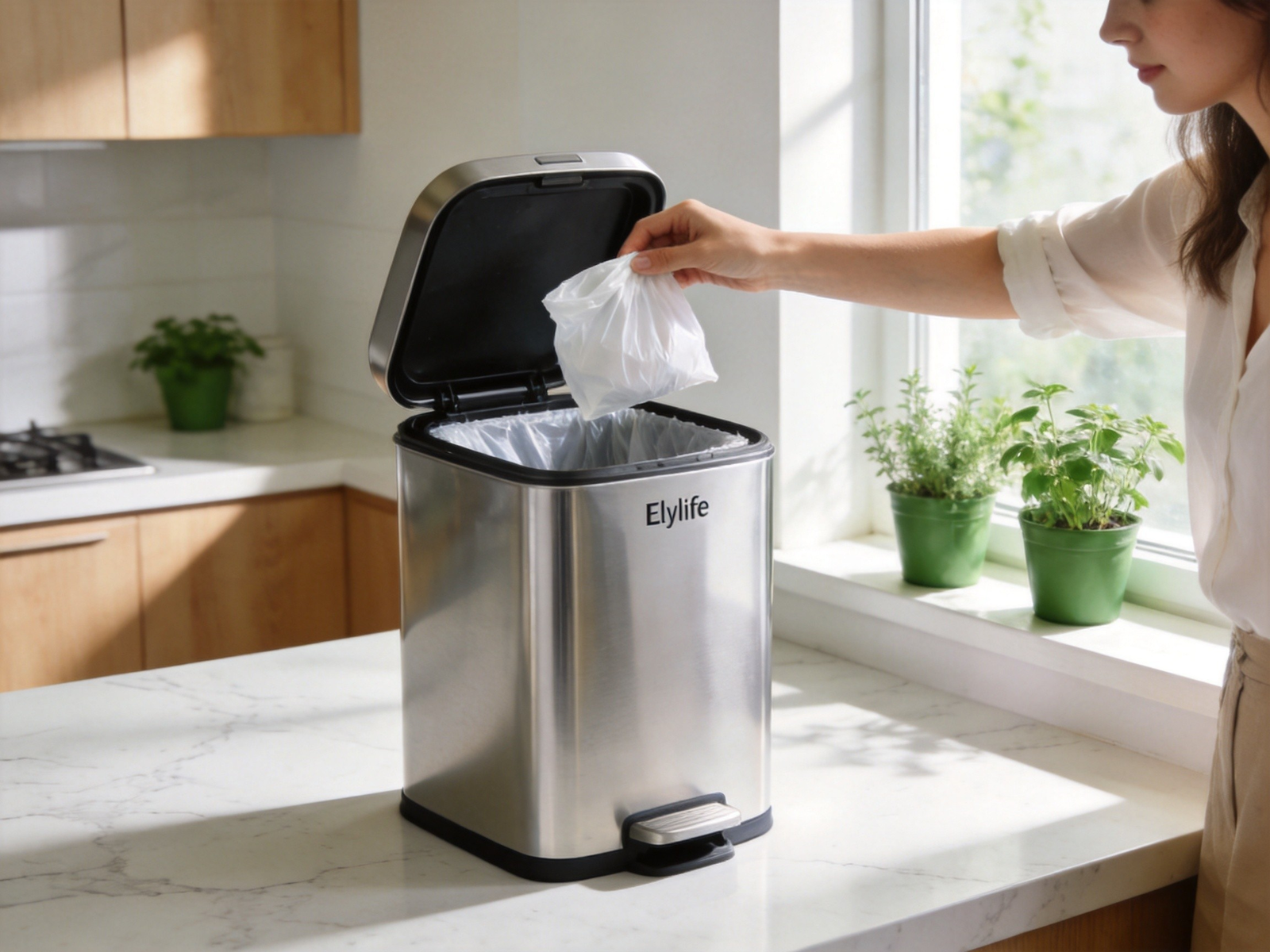
You invested in a smart sensor trash can for touch-free convenience and better hygiene. But here’s something most owners discover within the first week: the trash bag you use matters more than you think. The wrong bag slips inside the bin, blocks the infrared sensor, tears during heavy loads, or fails to seal odors — undermining every advantage your smart bin was designed to deliver.
Choosing the right trash bag isn’t just about capacity. It’s about matching bag dimensions, material, thickness, and mounting style to your specific sensor bin model and usage pattern. Get it right, and your touch-free system performs flawlessly for years. Get it wrong, and you’ll fight constant bag slippage, sensor false triggers, and leaked residue at the bottom of the bin.
This guide covers everything you need to know: how to choose the right bag for your smart sensor trash can, how to install it properly, how often to replace it by room, and pro tips to get maximum performance from every bag.
With a manual trash can, a poorly fitting bag is an annoyance. With a sensor-activated bin, it’s a functional problem. Here’s why:
Smart sensor trash cans use infrared (IR) proximity sensors mounted along the upper rim of the opening. These sensors detect hand or knee motion within a 6–12 inch range to trigger the lid. When a trash bag overhangs the rim — which happens frequently with bags that are too large or lack a secure mounting system — it obstructs the sensor field of view. The result?
According to Elylife’s maintenance data, improper bag installation is one of the top three causes of sensor-related complaints — not because the sensor is faulty, but because bag material is blocking it.
Smart bins like the Elylife K Series use sealed lid gaskets to trap odors inside the bin. But a bag that’s too small won’t cover the inner rim, leaving a gap where odor escapes. A bag that’s too large bunches at the top, preventing the lid from closing flush. Either scenario compromises the sealed system that makes sensor bins superior for odor control in the first place.
For a deeper look at how sealed bins protect your kitchen environment, see our Sealed Smart Trash Can: Kitchen Food Safety Guide.
This is the most common mistake. Trash bag sizing doesn’t always correspond directly to bin gallon capacity. Here’s a practical sizing guide:
表格
| Bin Capacity | Recommended Bag Size | Bag Dimensions (approx.) | Example Use |
|---|---|---|---|
| 3–4 gallon | Small (2–4 gal) | 14″ × 16″ | Bathroom, bedroom, office sensor bins |
| 7–8 gallon | Medium (6–8 gal) | 18″ × 20″ | Half-bath, laundry room, kids’ rooms |
| 10–13 gallon | Large (13 gal) | 24″ × 30″ | Kitchen, main living areas |
| 16–21 gallon | Extra-large (20+ gal) | 28″ × 36″ | Large family kitchens, garage bins |
Rule of thumb: The bag should extend 3–4 inches above the rim of the bin when fully installed. Any more than that and you risk sensor obstruction; any less and the bag will slip inside during use.
Not all trash bags are created equal. The material affects durability, odor containment, and environmental impact:
High-Density Polyethylene (HDPE)
Low-Density Polyethylene (LDPE)
Compostable Bags (PBAT/PLA blend)
Thickness is measured in mils (thousandths of an inch). Higher mil = thicker and more durable:
Recommendation: For most households with an Elylife sensor bin, a 1.0–1.3 mil LDPE bag offers the best balance of durability, flexibility, and sensor compatibility.
How the bag attaches to the bin rim affects stability:
For sensor bins specifically, gusseted drawstring bags provide the most reliable fit — they expand to fill the bin’s interior and the drawstring cinches securely above the rim without excess material interfering with the sensor zone.
Proper installation takes 30 seconds and prevents 90% of bag-related issues. Follow these steps:
表格
| Problem | Likely Cause | Solution |
|---|---|---|
| Bag slides into the bin during use | Bag too large or no retention mechanism | Use a smaller bag size; tuck edges under inner rim ring; try gusseted bags for better friction fit |
| Sensor triggers randomly (lid opens on its own) | Bag overhang blocking sensor; reflective bag surface | Trim excess bag below rim level; switch to non-reflective (matte) bags; reposition bin away from direct sunlight |
| Bag tears when removing | Bag too thin for the waste type | Upgrade to higher mil rating; use LDPE instead of HDPE for kitchen waste |
| Lid won’t close fully | Bag bunched at the top; bag too full | Reduce bag overhang; empty bin before bag is completely full; ensure bag is smoothed against interior walls |
| Persistent odor despite bag change | Residual liquid in bin bottom; bag doesn’t seal at rim | Deep-clean bin interior; use a bag with odor-neutralizing lining; ensure bag extends fully above rim for proper lid seal |
| Frequent false triggers in sunlight | IR sensor confused by bright light hitting bag | Reposition bin away from direct sun; see our Placement Guide for optimal positioning |
Bag replacement frequency depends on the room, the type of waste, and the household size. Here’s a room-by-room guide optimized for sensor bin owners:
表格
| Room | Typical Waste Type | Recommended Change Frequency | Notes |
|---|---|---|---|
| Kitchen | Food scraps, packaging, liquids | Every 2–3 days | Change immediately if you notice odor or visible liquid at bag bottom |
| Bathroom | Paper towels, tissue, personal care | Every 4–7 days | Smaller bins may need more frequent changes during illness |
| Home office | Paper, packaging, food wrappers | Every 7–14 days | Low moisture waste lasts longer |
| Bedroom | Tissue, clothing tags, light waste | Every 10–14 days | Seasonal allergies may increase tissue waste |
| Laundry room | Dryer lint, packaging | Every 14–21 days | Very low-moisture waste stream |
| Garage / workshop | Miscellaneous, occasional chemicals | Every 7–14 days | Use heavy-duty bags; never mix hazardous waste with regular trash |
Pro tip: Don’t wait until the bag is overflowing. A bag that’s more than 75% full is more likely to tear during removal, and the accumulated weight puts stress on the bin’s lid mechanism. For sensor bins, it’s better to change bags slightly more often than to push them to maximum capacity.
Sustainability-conscious households have several options that work well with sensor bins:
Recycled-content bags
Made from post-consumer recycled plastic. Comparable performance to virgin LDPE at similar price points. Look for brands certified by the Sustainable Packaging Coalition.
Compostable bags
Best for households with access to municipal composting. Brands like BioBag, If You Care, and Seventh Generation offer bags in standard sizes that fit most sensor bins. Important caveats:
Plant-based bags
A middle ground — made partially from sugarcane or corn-derived polyethylene. They perform identically to conventional plastic but reduce fossil fuel dependency.
For households practicing zero-waste principles, pairing a compostable bag with a separate countertop compost bin is the most effective approach. See our Zero-Waste Kitchen Guide for a complete waste management system.
1. Line the bottom with a dryer sheet or baking soda
Before inserting the new bag, place a dryer sheet or sprinkle a thin layer of baking soda at the bottom of the bin (under the bag). This absorbs any residual moisture and provides a first layer of odor control.
2. Double-bag heavy or sharp waste
When disposing of sharp items (broken glass, cans with sharp edges) or unusually heavy loads, use two bags nested together. The outer bag provides puncture protection.
3. Freeze smelly waste before disposal
For particularly odorous items (shrimp shells, fish bones, diapers), freeze them in a small bag and dispose of them when you’re already changing the main bin bag. This prevents concentrated odor buildup between bag changes.
4. Keep a roll of bags near the bin
Sounds obvious, but running out of bags mid-change leads to improvisation — crumpled newspaper liners, grocery bags that don’t fit, or leaving the bin empty for hours. Store bags in a drawer or cabinet within arm’s reach.
5. Use the right bag for each room’s bin
Don’t use the same bag everywhere. Kitchen bins need 1.0–1.3 mil LDPE. Bathroom bins are fine with 0.7 mil HDPE. Office bins can use compostable options. Tailoring bags to rooms saves money and improves performance.
Use this checklist whenever you buy or install trash bags for your smart sensor bin:
表格
| Task | ✓ |
|---|---|
| Bag size matches bin capacity (3–4″ overhang above rim) | ☐ |
| Bag material appropriate for waste type (LDPE for kitchen, HDPE for dry areas) | ☐ |
| Thickness (mil) adequate for expected load | ☐ |
| Bag smoothed against interior walls before securing | ☐ |
| Sensor window completely unobstructed after installation | ☐ |
| Lid closes fully with no bag bunching at the top | ☐ |
| Sensor test passed (lid opens within 0.3 seconds of hand wave) | ☐ |
| Replacement bags stored within arm’s reach | ☐ |
| Bag change scheduled per room frequency guide | ☐ |
A smart sensor trash can is only as good as the bag inside it. The right bag — properly sized, correctly installed, and replaced on schedule — ensures your sensor bin delivers on every promise: touch-free convenience, reliable sensor response, sealed odor containment, and long-term durability.
Start with the sizing chart, match the material to your waste type, and follow the installation steps. Within one bag change, you’ll notice the difference.
Explore the Elylife K Series sensor bin lineup to find the perfect bin for your home, and for more tips on optimizing your smart bin’s performance, check our 10 Expert Tips for Sensor Bins or the Complete Placement Guide.


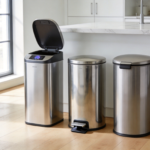
[…] The Complete Trash Bag Guide for Smart Sensor Trash Cans […]
[…] bag sizing. Larger bins need larger bags. Check bag compatibility before purchasing. Our Complete Trash Bag Guide covers sizing for every Elylife […]
[…] n optimizing bag selection, see our Trash Bag Guide for Smart Sensor Trash Cans. […]
[…] Our complete trash bag guide for smart sensor trash cans breaks down how to choose the right size, material, and fit for your specific bin model. […]