Address
304 North Cardinal
St. Dorchester Center, MA 02124
Work Hours
Monday to Friday: 7AM - 7PM
Weekend: 10AM - 5PM
Address
304 North Cardinal
St. Dorchester Center, MA 02124
Work Hours
Monday to Friday: 7AM - 7PM
Weekend: 10AM - 5PM
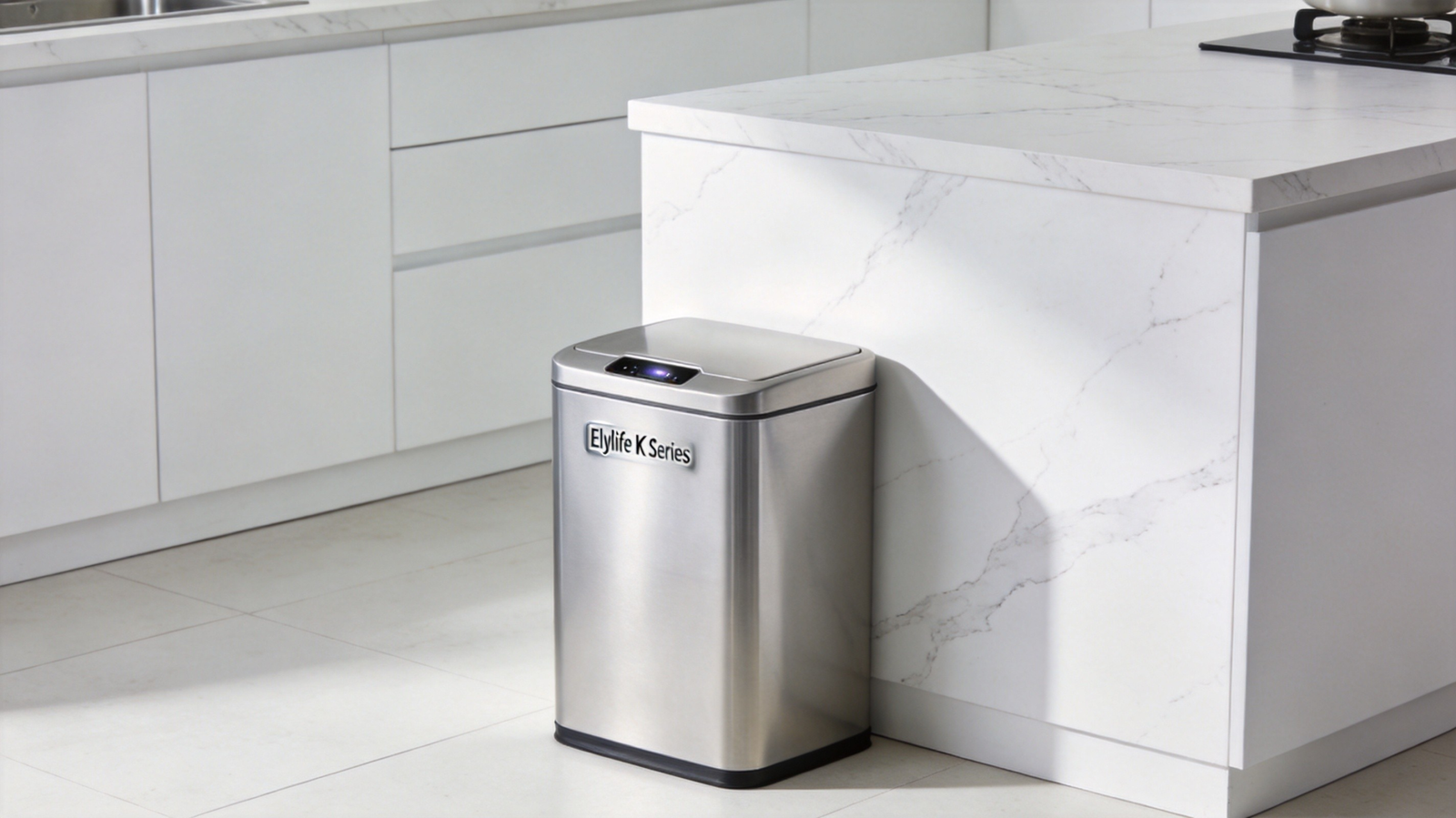
Meta Description: Discover how hands-free sensor trash cans help prevent cross-contamination in your kitchen. Learn the science behind touchless technology and why Elylife’s sensor bins are the smarter, healthier choice for modern homes.
The kitchen is the heart of the home—but it’s also where invisible threats lurk. Every time you touch a grimy lid or step on a pedal covered in bacteria, you’re potentially spreading harmful pathogens across your countertops, utensils, and food. The solution? A touch-free sensor trash can that keeps your hands—and your kitchen—cleaner without sacrificing convenience.
Your kitchen trash can is one of the most contaminated surfaces in your home. Studies have shown that trash can lids harbor coliform bacteria, E. coli, and other harmful microorganisms. Here’s why traditional bins are breeding grounds for germs:
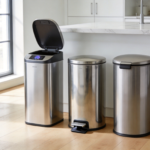
Touch-free sensor trash cans eliminate these risks at the source. By using infrared (IR) technology to detect motion, these bins open automatically when your hand approaches—typically within 10-15 cm—and close gently once you step away.
1. No Surface Contact
With a wave of your hand, the lid opens without you touching anything. This breaks the chain of cross-contamination between your trash and your food preparation areas.
2. Controlled, Gentle Closure
Unlike gravity-dropped lids that slam shut (creating a “piston effect” that pushes contaminated air into your kitchen), sensor bins feature soft-close mechanisms that seal gently and effectively.
3. Reduced Bacterial Transfer
By eliminating manual contact, sensor bins prevent the spread of Salmonella, E. coli, and other pathogens from waste to your hands to your kitchen surfaces.
Many consumers believe that stainless steel alone makes a trash can hygienic. While stainless steel is durable and aesthetically pleasing, it’s not inherently antibacterial. The real protection comes from:
Elylife’s line of smart sensor trash cans combines advanced IR technology with premium materials to deliver superior hygiene performance:
Perfect for desktops, bathrooms, and smaller kitchens, the B112 features dual-mode operation:
The M130 delivers generous 30L capacity in a space-saving profile:
Both models are designed for easy battery maintenance with removable trays and feature integrated bag holders to keep liners secure and tidy.
Transitioning to a sensor trash can is straightforward:
Q: Can sensor bins really prevent cross-contamination?
Yes. By eliminating manual contact, sensor bins prevent the direct transfer of bacteria from the trash can to your hands and kitchen surfaces.
Q: Are sensor bins difficult to maintain?
No. Modern sensors are highly reliable and rated for 100,000+ openings. Battery replacement is straightforward with removable compartments.
Q: Do sensor bins use a lot of battery?
No. IR sensors are designed for low power consumption. With normal use (15-20 cycles daily), batteries typically last 3-7 months.
Q: Are sensor bins safe to use near food preparation areas?
Absolutely. In fact, they’re safer than manual bins because they prevent bacterial transfer during waste disposal.
Q: Can I use any trash bag with a sensor bin?
Standard bags work, but for optimal performance, choose bags that fit snugly without overhanging the rim to maintain the integrity of the seal.
Touch-free sensor trash cans represent a significant step forward in kitchen hygiene. By eliminating manual contact, these innovative bins help protect your family from harmful bacteria and reduce cross-contamination risks.
Ready to upgrade your kitchen? Explore Elylife’s full range of smart sensor bins at elylife.com and experience the difference that intelligent hygiene technology can make.
This article is for informational purposes. Elylife offers professional OEM/ODM services for businesses interested in custom sensor bin solutions.


[…] For a deeper look at how touch-free operation reduces bacterial spread, check out our article on How Sensor Trash Cans Reduce Cross-Contamination. […]
[…] For a deeper exploration of how touch-free operation reduces bacterial spread, check our article on How Sensor Trash Cans Reduce Cross-Contamination. […]
[…] a deeper dive into touch-free hygiene benefits, our guide on How Sensor Trash Cans Reduce Cross-Contamination explains the science behind sensor bin […]
[…] How Sensor Trash Cans Reduce Cross-Contamination in Your Kitchen […]
[…] more on how touch-free bins reduce bacterial spread, our guide on How Sensor Trash Cans Reduce Cross-Contamination breaks down the […]
[…] For a deeper look at how touchless technology reduces germ spread, read our guide on How Sensor Trash Cans Reduce Cross-Contamination. […]
[…] families concerned about kitchen hygiene at the sorting station, our guide on How Sensor Trash Cans Reduce Cross-Contamination explains how touchless operation prevents bacteria transfer during frequent waste […]
[…] households managing specific health concerns, our guides on How Touch-Free Sensor Trash Cans Reduce Cross-Contamination and Your Trash Can Could Be Triggering Your Allergies explore the hygiene benefits […]
[…] families with young children, the hygiene advantage is even more significant. Our guide on reducing cross-contamination explains why this matters in […]
[…] you’ve already read about how touch-free bins reduce cross-contamination or explored our zero-waste kitchen strategies, this guide takes the next step: building a […]
[…] increasingly popular in recent years, and for good reason. As more people have learned about how touch-free sensor trash cans reduce cross-contamination in the kitchen, demand for hands-free waste disposal has grown […]
[…] How Touch-Free Sensor Trash Cans Reduce Cross-Contamination in Your Kitchen […]